
Ah, the Costa Blanca dream. Sunshine, sea breezes, and the romantic prospect of transforming a tired Mediterranean villa into a bespoke, high-end sanctuary. It sounds utterly idyllic, until you find yourself staring at a half-finished renovation, desperately trying to contact a builder who hasn’t been seen since last Tuesday.
Renovating a property in Spain can be one of the most rewarding investments you make. Still, the local construction industry often operates on a timeline with the structural integrity of a chocolate teapot. If you want your Alicante property renovation to meet uncompromising Northern European Standards rather than local guesswork, you need to navigate the market with your eyes wide open.

Here are the seven most catastrophic mistakes expats make when renovating in Spain, and exactly how to avoid them:
Nothing says “welcome to your new life in Spain” quite like a cease-and-desist order from the local Ayuntamiento (Town Hall). A staggering number of expatriates assume they can quietly build an extension, add a guest house, or knock down structural walls without a licencia de obra mayor (major works licence). Spanish town planning is notoriously strict, and aerial drone surveys are regularly used to spot illegal additions. Bypassing Spanish building regulations will inevitably result in crushing fines and, in many cases, a demolition order.
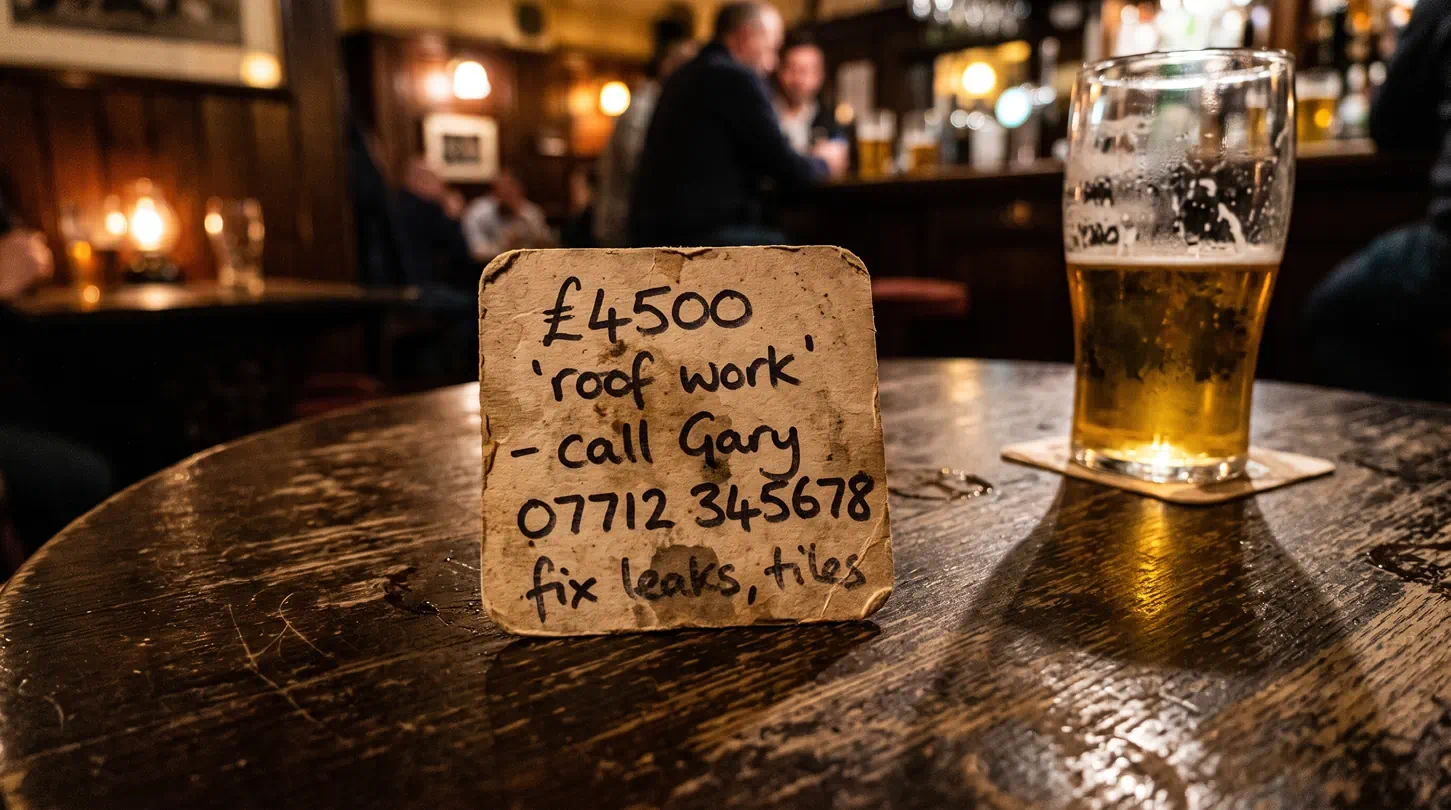
We all know him. The cheery expat at the local tavern who “does a bit of building on the side” and offers you a suspiciously cheap quote scribbled on a beer mat.
Hiring unregistered, uninsured, and underqualified handymen for serious structural or architectural work is commercial suicide. If a pipe bursts or the electrical wiring goes up in smoke, ‘Dave’ will disappear faster than a cold pint on a July afternoon.
When you fall victim to the pitfalls of hiring unlicensed contractors in Alicante, any structural failings are yours alone to bear, and your home insurance will be instantly invalidated.
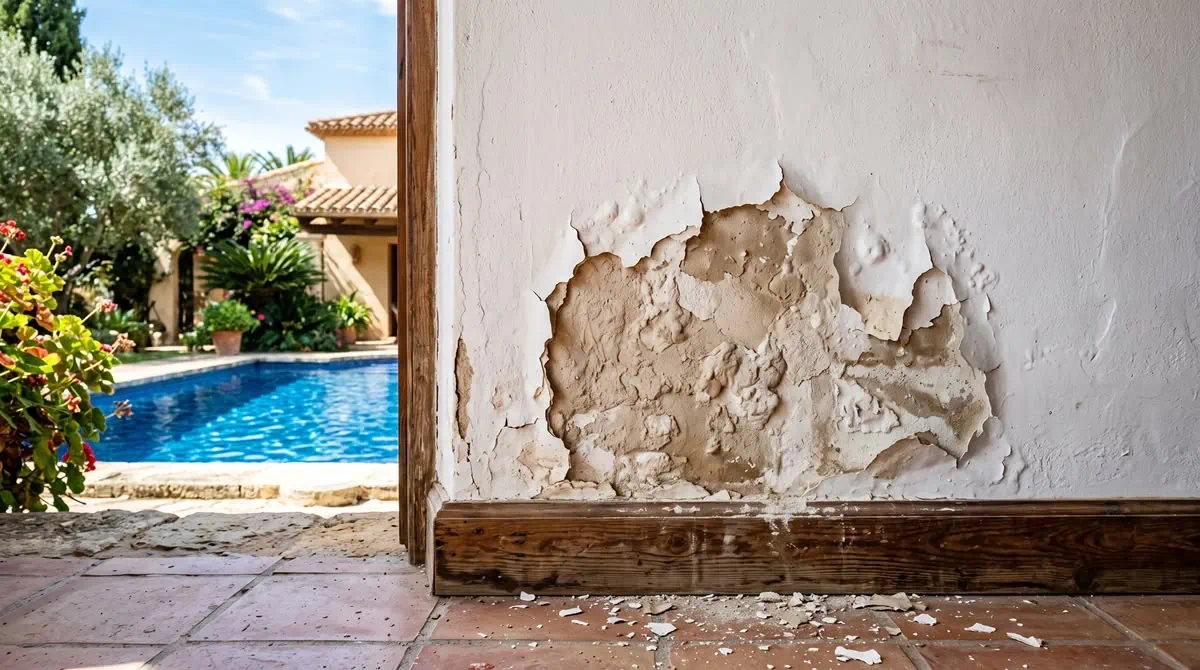
Many traditional Spanish properties were built directly onto the earth without a proper damp-proof course. Slapping a fresh coat of luxury paint over an old wall might look stunning for a fortnight, but capillary rising damp will soon bubble the plaster and ruin your skirting boards. Damp proofing Mediterranean homes requires extensive groundworks, proper drainage channels, and specialist breathable rendering. Skipping this step is the architectural equivalent of putting a plaster on a broken leg.
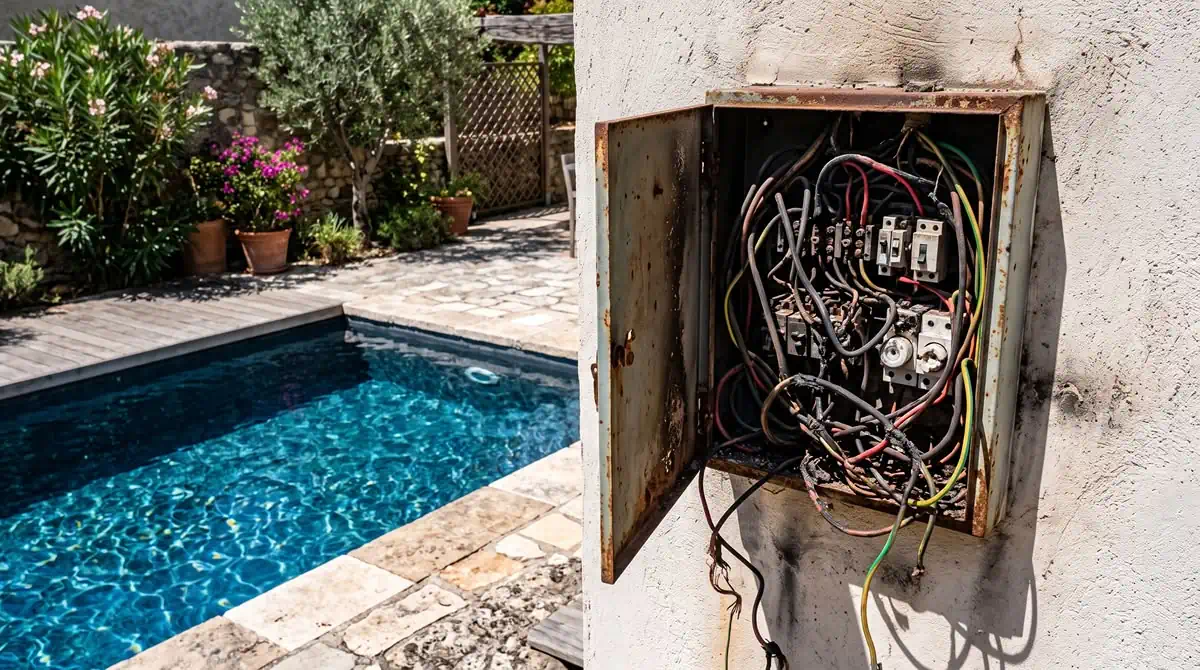
Modern luxury living demands robust infrastructure. You simply cannot run a state-of-the-art climate control system, a dedicated solar energy setup, and an advanced home automation network (utilising Shelly smart relays and home-wide Mikrotik network routing) on thirty-year-old, brittle cables. Opting for a cosmetic update whilst avoiding a full home electrical rewiring in Spain is a severe fire hazard. A proper renovation completely strips the outdated distribution boards and integrates modern, high-load three-phase systems capable of handling tomorrow’s technology.
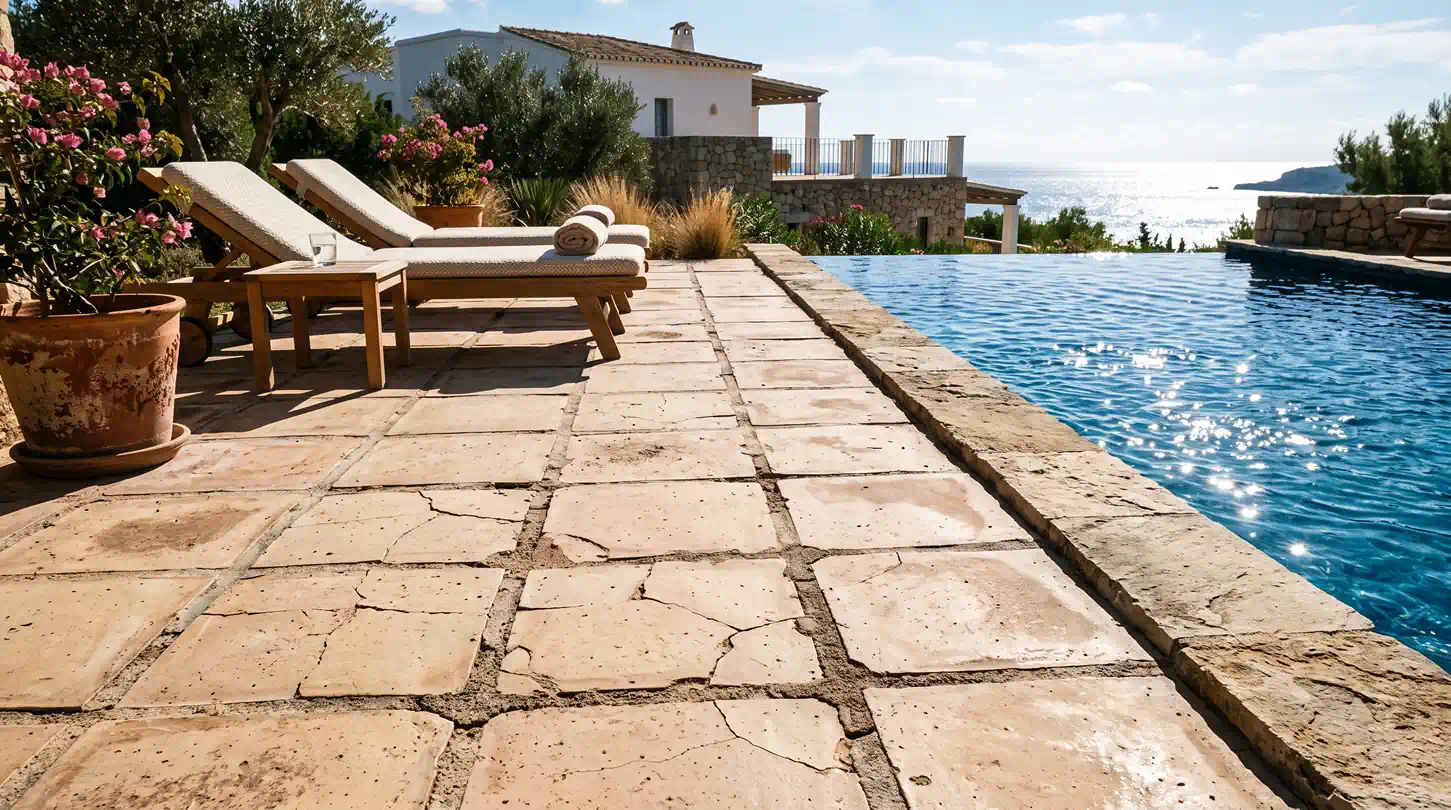
In the high-end property sector, the finish is everything. It is utterly baffling to see homeowners invest in breathtaking large-format porcelain tiles on the Costa Blanca, only to allow amateur tradesmen to lay them on uneven screed using cheap, standard cementitious grout. The Costa Blanca’s heat expands and contracts standard materials, leading to cracked tiles and discoloured, mouldy joints. True luxury requires meticulous floor levelling, premium flexible adhesives, and impervious epoxy grouting to guarantee a flawless, lifelong finish.
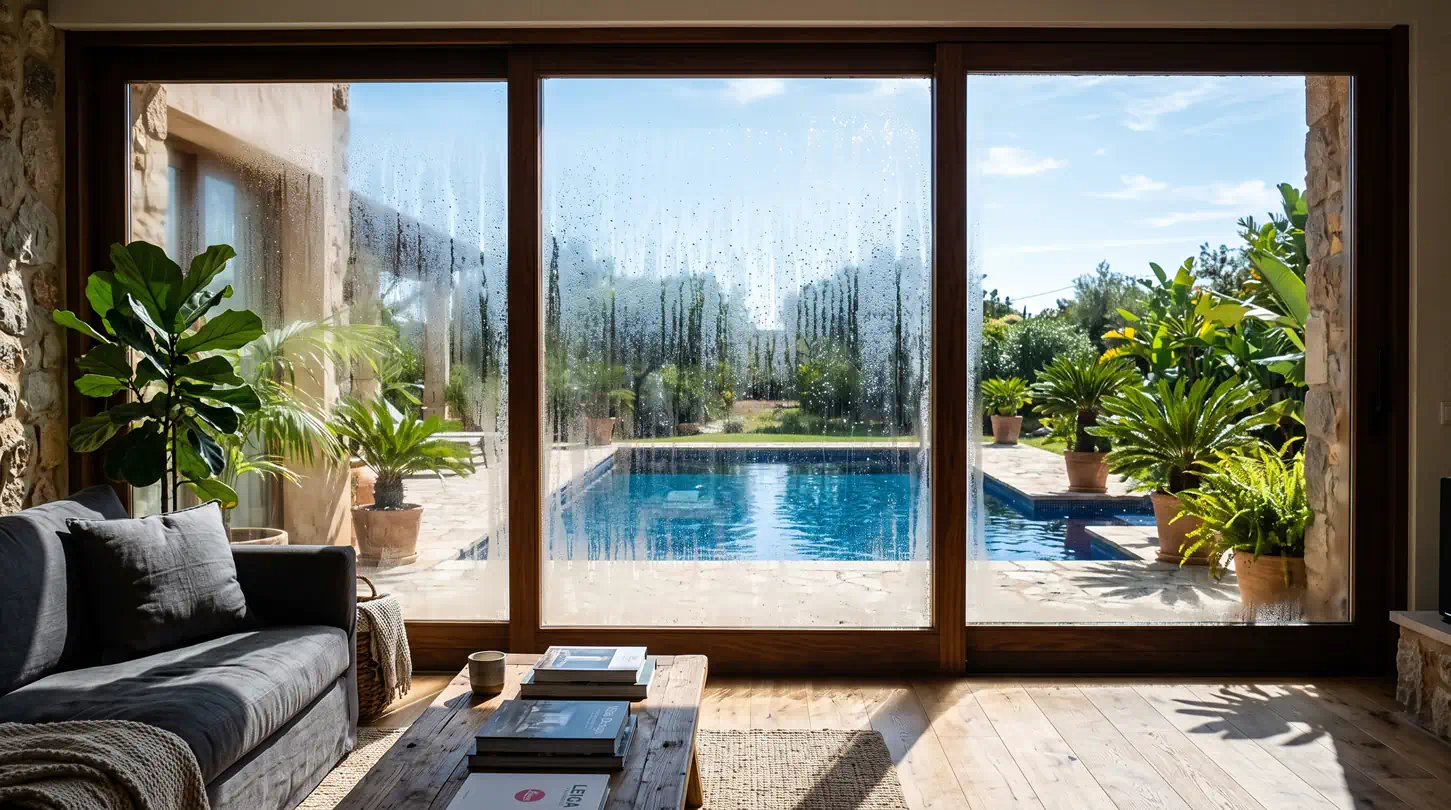
Because the Costa Blanca boasts over 300 days of sunshine, naive renovators assume insulation is unnecessary. They soon discover that a Spanish villa in January can feel remarkably like a meat locker. Failing to upgrade to double-glazed thermal break windows and ignoring roof insulation turns a property into an energy-haemorrhaging nightmare. Investing in high-grade thermal insulation for Spanish villas not only retains the warmth during the brief winters but crucially keeps the blistering summer heat out, vastly reducing your air conditioning bills.
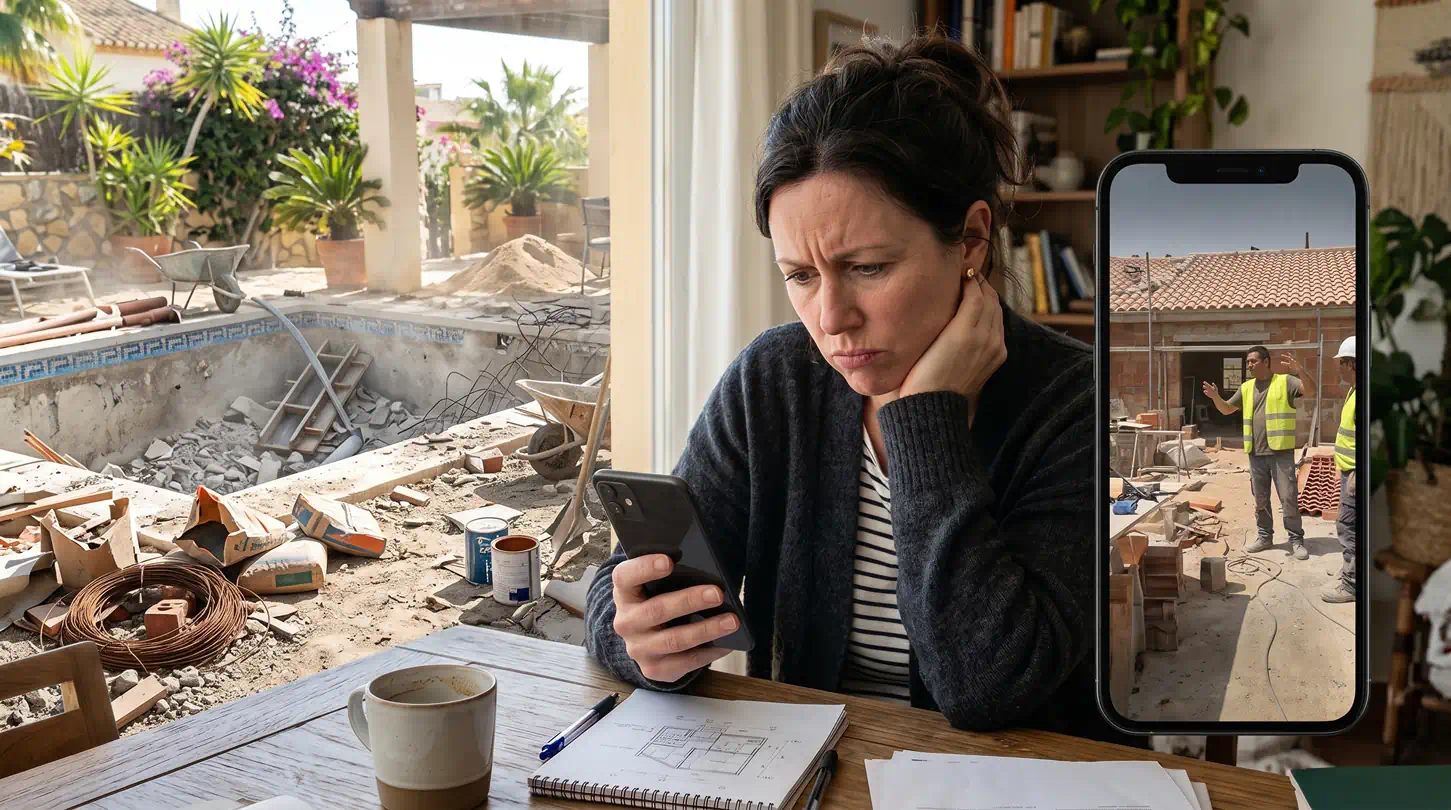
Managing a complex renovation via WhatsApp from a sofa in Surrey is a recipe for unmitigated disaster. When left unsupervised, tradesmen’s schedules slip, materials mysteriously change specifications, and “lost in translation” moments result in walls being built in entirely the wrong place. Luxury project management in Alicante requires boots on the ground—a dedicated, bilingual foreman who understands local supply chains, demands rigorous structural integrity, and expects nothing less than perfection.
Do not allow your Spanish property dream to become a cautionary tale of shoddy workmanship and legal headaches. The distinction between an exhausting money pit and a breathtaking, high-end residence lies entirely in who you trust to execute the vision.
At EuroBuild, we do not compromise. We oversee every facet of the build, from securing the correct architectural licences and installing robust smart-home infrastructure to meticulously laying large-format porcelain with premium grouting. We deliver peace of mind, rigorous project management, and a finish that defines modern luxury.
We highly encourage you to find our Projects Page to explore our portfolio and witness the exacting standards of a correctly executed Costa Blanca renovation.